
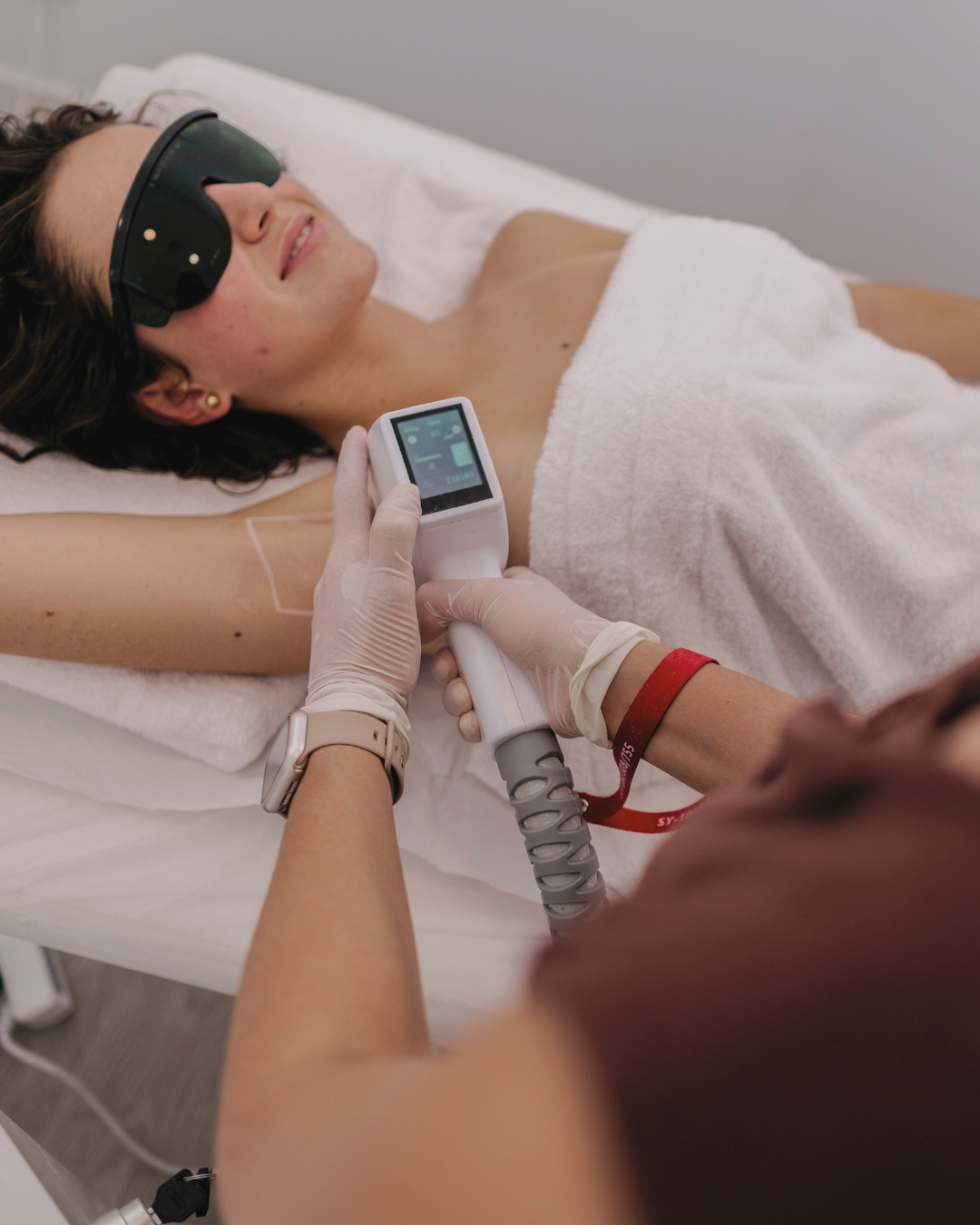
Career Longevity in Aesthetic Nursing: Why Education Matters
Aesthetic/Cosmetic nursing continues to expand across Australia, and a recent landmark decision from the Nursing and Midwifery Board has made a career as a Nurse Practitioner within reach in this context of practice. With growth comes increased regulatory oversight and rising expectations around clinical standards. Cosmetic nurse training programs play an important role in supporting safe, sustainable and expandable careers.
Practising Within Scope and Regulation
Registered Nurses must practise within their professional scope and comply with AHPRA standards, including advertising and patient communication guidelines.
Structured education supports:
-
Ethical clinical practice
-
Regulatory awareness
-
Accurate documentation
-
Safe delegation within team settings
Education strengthens professional accountability.
Expanding Clinical Understanding of Laser Technologies
Laser and light-based devices are increasingly integrated into aesthetic practice. Nurses benefit from understanding:
-
Laser physics
-
Tissue interaction
-
Risk profiling
-
Post-treatment management
This knowledge enhances collaboration within multidisciplinary clinics and supports safer outcomes.
Risk Reduction and Professional Protection
Adverse events can affect both patient safety and professional registration. Ongoing training strengthens clinical reasoning and supports defensible decision-making.
Education demonstrates commitment to maintaining contemporary standards.
Supporting CPD and Career Development
Continuing professional development is a core requirement for nurses. Cosmetic nurse training programs provide structured pathways to maintain and expand competency.
Investing in education supports employability, clinic credibility, and long-term career resilience.
Education as a Clinical Foundation
Aesthetic nursing is dynamic and evolving. Longevity in the field depends on continuous learning and a commitment to safe practice.
Education should prioritise compliance, safety, and clinical integrity. These foundations support both practitioner confidence and patient trust.
Post Disclaimer
This blog post has been vigilantly researched and fact checked to ensure that it is accurate, reliable and up to date. You must keep in mind that errors and omissions may occur and that we welcome any feedback or corrections in this regard. We encourage you to do your own research to verify the accuracy and contemporary nature of the information presented.