Understanding Laser Regulations in Australia for Cosmetic Practice
If you work in cosmetic practice, you already know that laser technology is both one of the most powerful tools in your clinic and one of the most tightly scrutinised. Regulations exist for good reason, and understanding them is not just about avoiding penalties; it is about protecting your clients, your team, and your professional reputation.
A Patchwork of State-Based Rules
Australia does not have a single national regulation governing cosmetic laser use. Instead, regulations are managed at the state and territory level, which means the requirements you need to meet in Queensland can differ from those in Victoria, New South Wales, or Western Australia.
Most jurisdictions draw on standards such as AS/NZS: 4173 (the standard for the safe use of lasers in health care) and the broader Australian Radiation Protection and Nuclear Safety Agency (ARPANSA) guidelines. Some states also require facilities to register laser devices and maintain detailed records of use, maintenance, and incident reporting.
The practical takeaway? You cannot assume that what is compliant in one state will satisfy requirements in another. If you operate across multiple locations or are considering expanding your practice, staying across each jurisdiction's specific obligations is essential.
What Laser Safety Course Compliance Actually Looks Like
Across the board, regulators expect cosmetic practitioners to demonstrate formal competency before operating Class 3B or Class 4 laser and IPL devices. This is where laser safety course compliance becomes more than a checkbox. It is the documented proof that your team understands:
-
Why the physics of laser, and skin and light interactions, Fitzpatrick Skin Phototype, precautions and contraindications matter
-
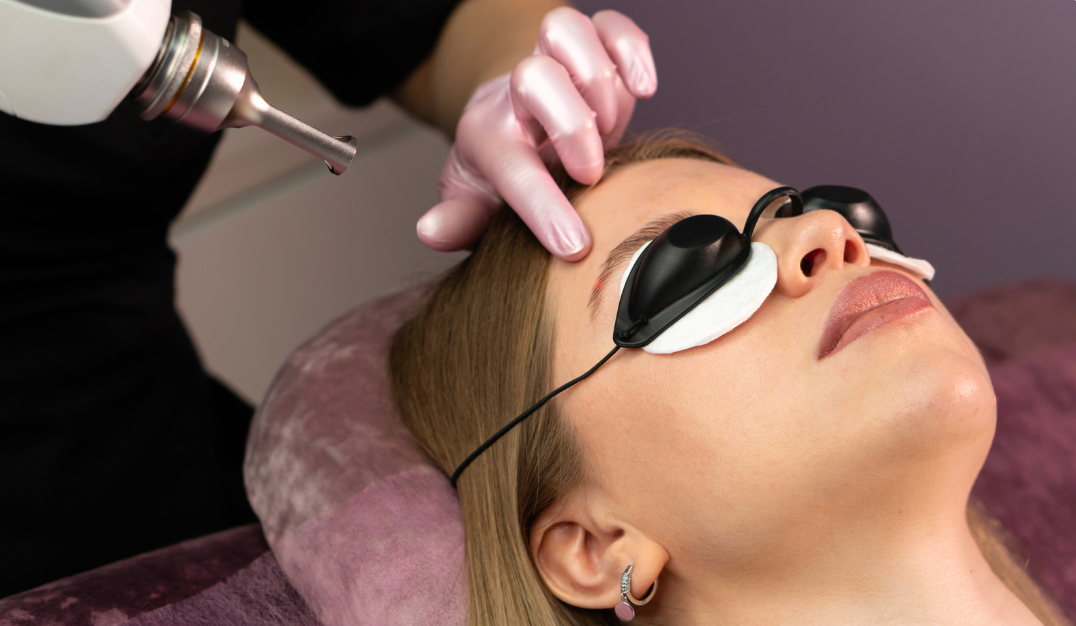
Correct use of personal protective equipment (PPE), including wavelength-specific eyewear
-
Controlled area setup, signage requirements, and access protocols
-
Emergency procedures, incident reporting obligations, and post-treatment care standards
Completing a recognised laser safety course is one of the most direct ways to demonstrate this competency to regulators, insurers, and clients alike.
The Risk of Getting It Wrong
Non-compliance in laser cosmetic practice carries real consequences. Depending on the jurisdiction, these can include infringement notices, facility audits, mandatory shutdown orders, loss of insurance cover, and in serious cases, civil or criminal liability following a client injury.
Beyond the regulatory exposure, there is a growing awareness among clients about practitioner qualifications. More people are asking questions before they book. A clearly trained, certified team is increasingly a competitive advantage as much as a compliance requirement.
Staying Ahead of the Compliance Curve
Regulations in this space continue to evolve. Several states are actively reviewing their frameworks for non-surgical cosmetic procedures, with laser and energy-based devices among the key areas under scrutiny. Investing in formal training now positions your practice well ahead of any tightening requirements.
At Bravura Education, our laser safety training is designed to meet the real-world demands of cosmetic practice. Our courses are fully online, nationally recognised, and built by clinical educators who understand what compliance looks like in a working clinic, not just on paper.
Explore laser safety courses at bravura.edu.au or speak to our team on 1300 001 808.
Post Disclaimer
This blog post has been vigilantly researched and fact checked to ensure that it is accurate, reliable and up to date. You must keep in mind that errors and omissions may occur and that we welcome any feedback or corrections in this regard. We encourage you to do your own research to verify the accuracy and contemporary nature of the information presented.