NEW: Guidelines for Cosmetic use of Lasers in Western Australia (WA)
So, you’ve earned your Laser Safety Certificate. What now in Western Australia?
Completing a recognised laser safety course is only the first step. In WA, the use of Class 3B and Class 4 lasers is governed by the Radiation Safety Act 1975, and the pathway forward depends on what treatments you intend to perform.
Under the Radiological Council’s newest Guidelines, anyone using Class 3B or Class 4 lasers must hold either a license or an exemption from license, or be working under appropriate supervision. All such lasers must also be registered, even if they are in storage.
1. Decide your treatment category
WA separates cosmetic laser use into distinct purposes
- Hair removal
- Non-ablative cosmetic procedures
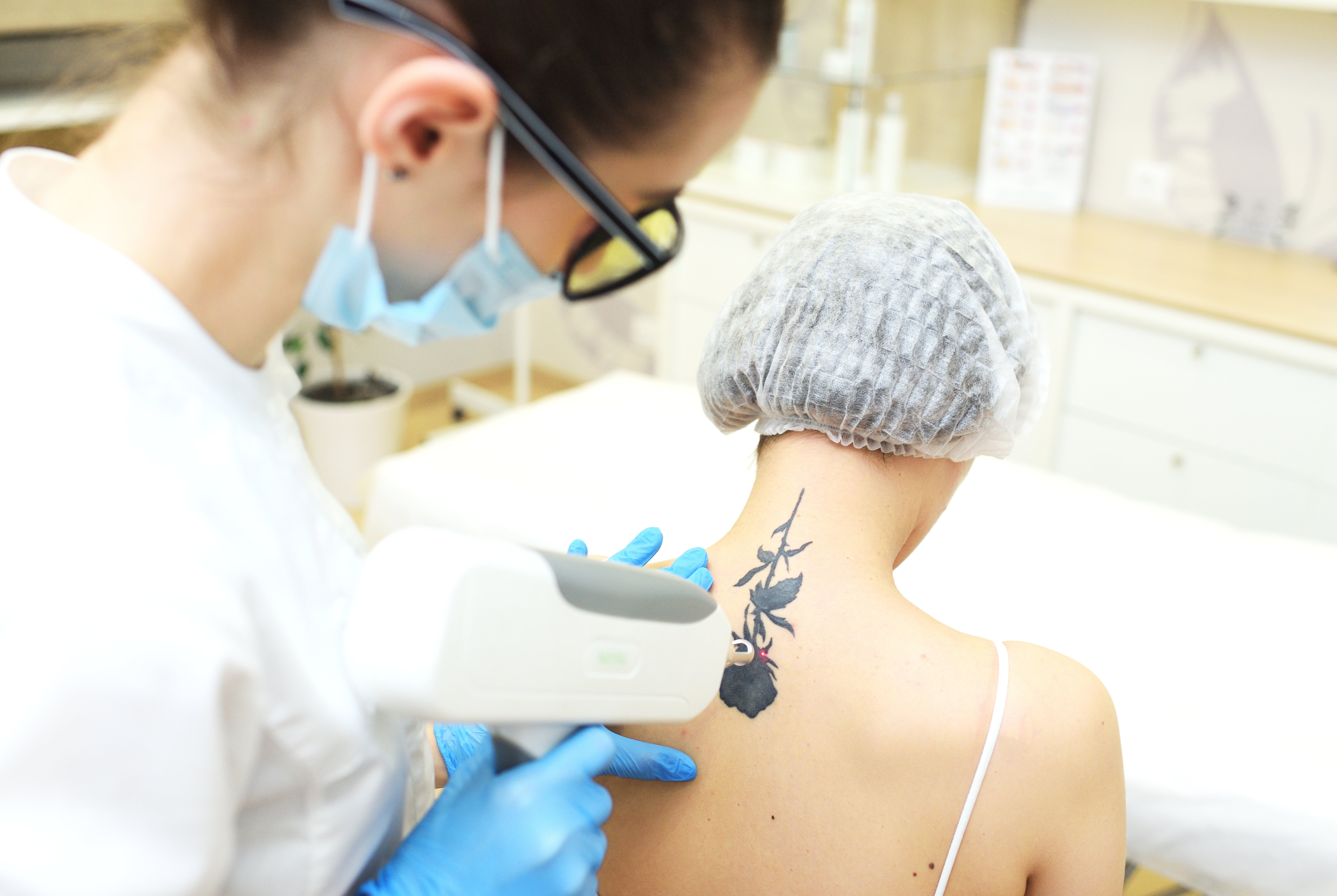
- Tattoo removal
The newer category “Lasers – Non-Ablative Cosmetic” replaced “Superficial Cosmetic” in December 2025 and allows a broader range of non-ablative skin treatments.
Non-ablative cosmetic procedures are defined as treatments where the outer layer of the skin remains intact, excluding hair removal, tattoo removal, vascular anomalies and pigmented birthmarks.
If you are not a medical practitioner or Division 1 (Registered) nurse, you will apply for an exemption from license specific to your treatment category.
2. Complete supervised practical hours
For non-medical practitioners performing non-ablative cosmetic procedures, WA requires:
- A recognised laser safety course
- Minimum hours of supervised practical training under immediate personal supervision of a WA licensee
- Competency sign-off in both consultation and beam-on components
Immediate personal supervision means the supervising licensee is present and directly observing you.
You cannot independently practice non-ablative cosmetic laser procedures without this supervised experience and formal sign-off.
3. Understand scope and supervision
Registration conditions are very specific. Lasers used for non-ablative cosmetic purposes must only be operated by appropriately licensed or exempt persons, or by someone under immediate personal supervision.
If you later move into fractional ablative treatments, these can only be performed under personal supervision of a medical practitioner holding a Lasers – Medical licence, and only if you have been signed off as competent for that procedure.
Full-field ablative lasers remain outside the scope for non-medical laser users.
4. Medical involvement is mandatory
Even in cosmetic practice, WA requires medical oversight.
For non-ablative cosmetic procedures, written confirmation must be received from a medical practitioner or nurse practitioner that the patient has undergone an in-person consultation prior to each new course of treatment, including screening for skin cancers or relevant underlying conditions.
Additionally, a medical practitioner must be involved in developing and endorsing clinic protocols for cosmetic laser use.
This requirement often surprises new graduates. You cannot operate a standalone cosmetic laser clinic in WA without medical engagement.
5. Equipment and safety compliance
Your clinic must ensure:
- Lasers conform to AS/NZS IEC 60825.1 unless exempted
- Use complies with relevant Schedules of the Radiation Safety Regulations
- Suitable protective eyewear is worn by operator, patient and anyone present
- No energised laser is left unattended
- Servicing can only be performed by appropriately licensed service personnel.
For WA practitioners, the regulatory framework is structured and prescriptive. Your laser safety certificate opens the door, but registration, supervised hours, medical collaboration and documented competency are what allow you to practice legally and confidently.
Approach your next steps methodically. Secure the right supervision, maintain meticulous logbooks, and ensure your protocols reflect WA conditions. Safe practice in this state is not optional. It is legislated, audited and enforceable.
Post Disclaimer
This blog post has been vigilantly researched and fact checked to ensure that it is accurate, reliable and up to date. You must keep in mind that errors and omissions may occur and that we welcome any feedback or corrections in this regard. We encourage you to do your own research to verify the accuracy and contemporary nature of the information presented.